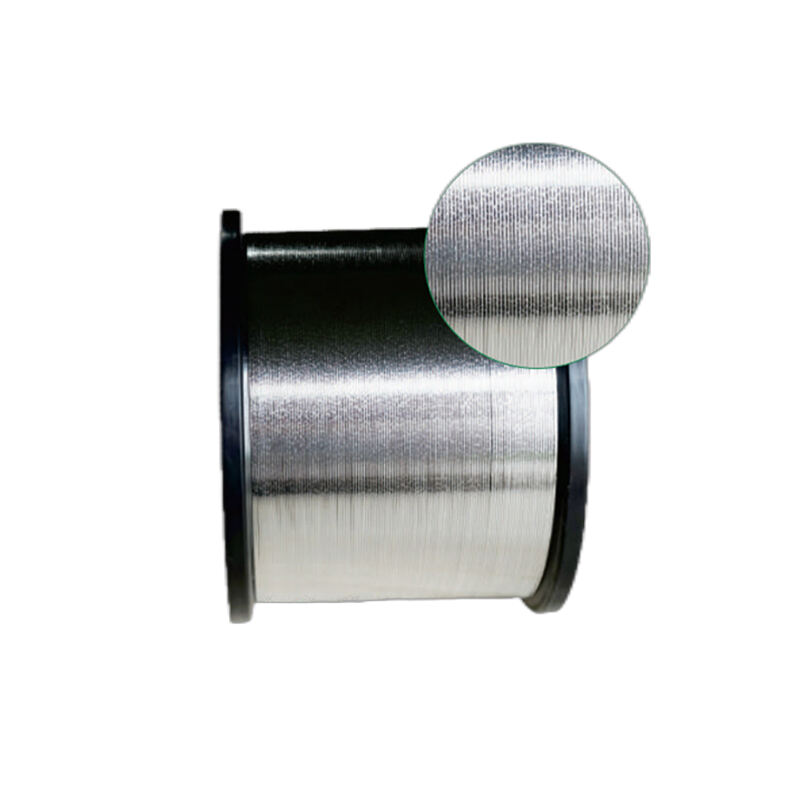
Advantages: Designed for use with sensitive materials that cannot withstand high temperatures, low-temperature solder ribbons offer compatibility with modern solar cells and reduce the risk of thermal damage during the soldering process . Disadvantag...
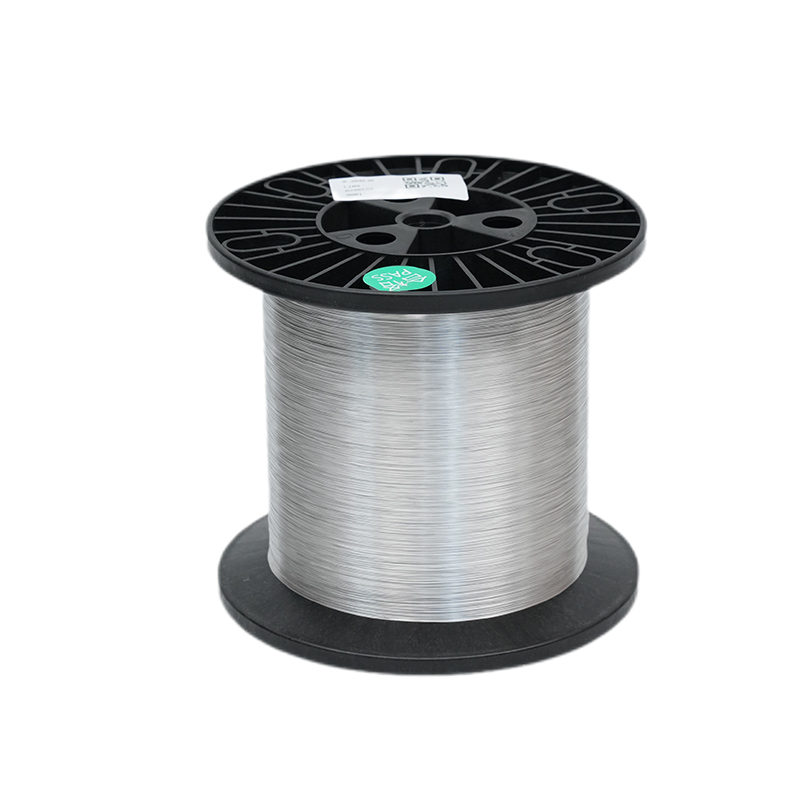
Advantages: MBB round solder ribbons enhance cell and module efficiencies due to improved light utilization and reduced shading losses, leading to increased module power output . Disadvantages: The manufacturing process can be more complex and costly...
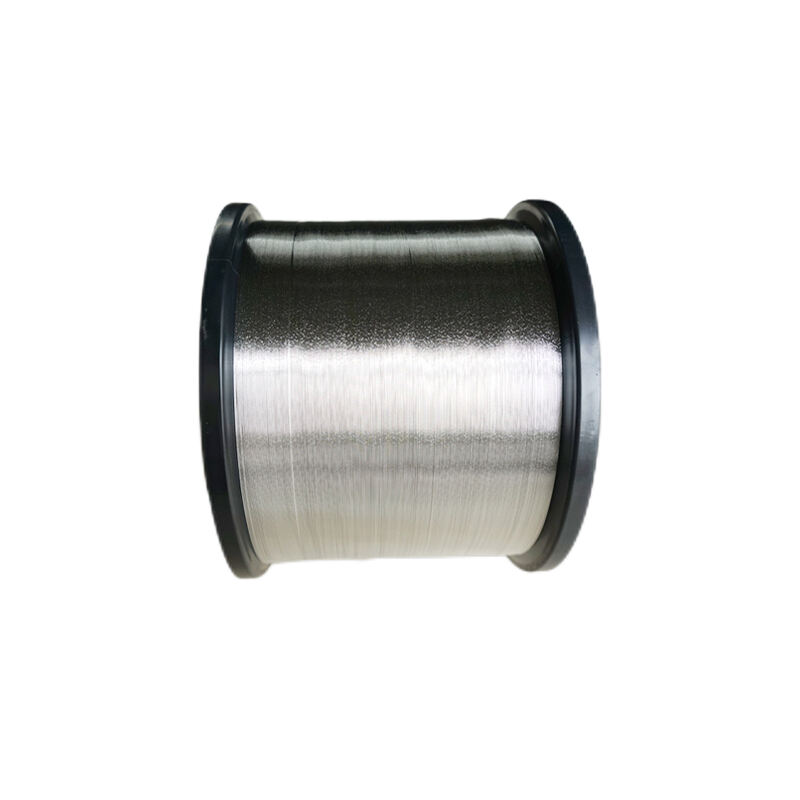
Advantages: Interconnection ribbons are designed to reduce optical losses and improve the overall performance of solar modules. They can increase the module's efficiency by reflecting more light onto the cell . Application Fields: Used in solar modul...
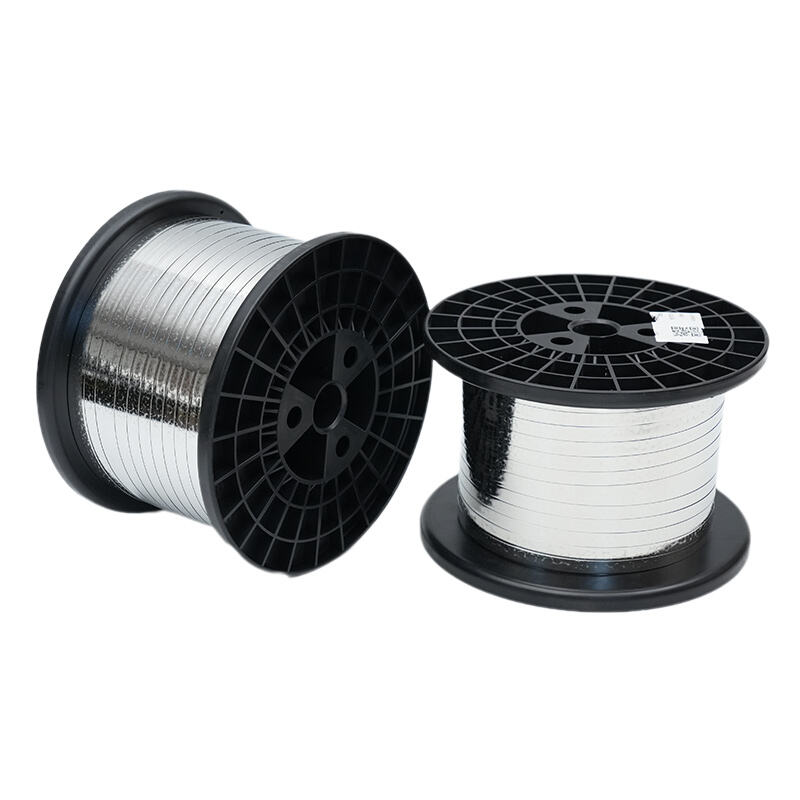
Advantages: Essential for directing the current generated in solar cells to the module's external circuit, current collector bars are typically made from conductive materials designed to minimize resistive losses and maximize power output . Applicati...
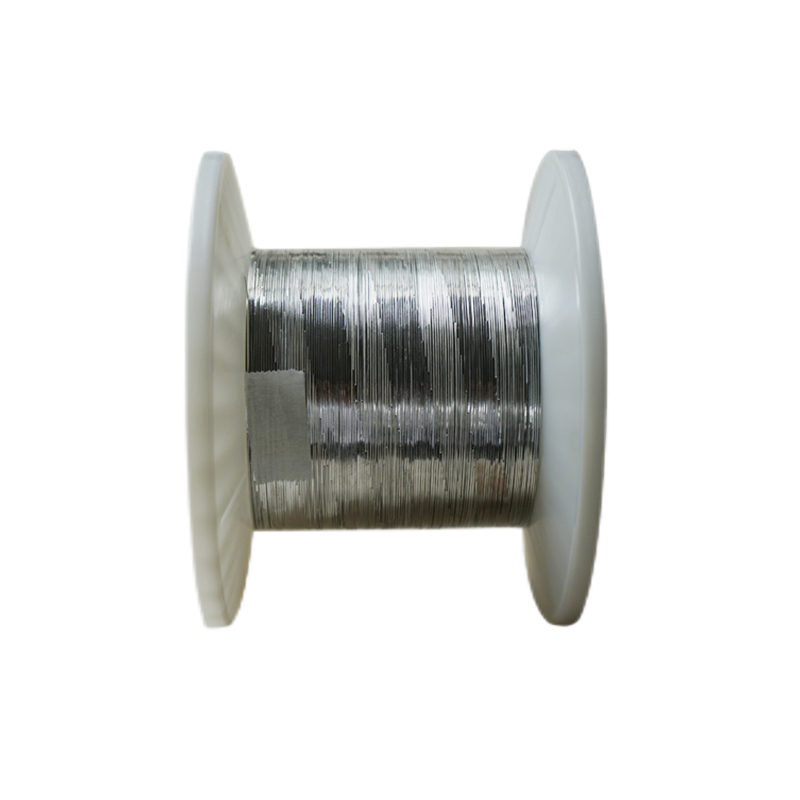
Advantages: The triangular shape is designed to optimize light harvesting, with studies showing an advantage in optical performance compared to standard interconnector ribbons and round wires, potentially increasing module efficiency . Disadvantages:...
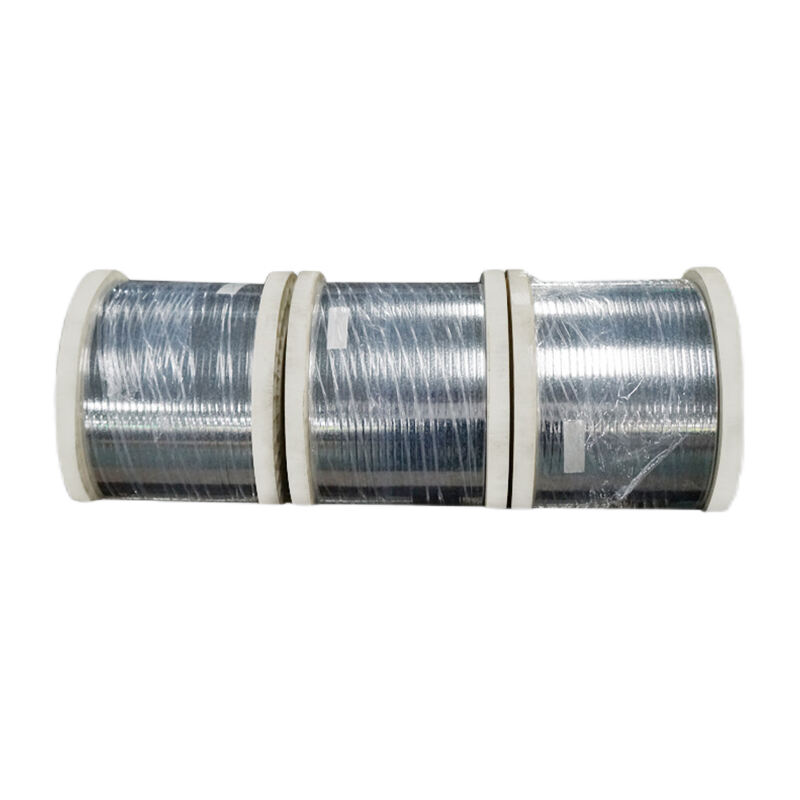
Advantages: Solder ribbons are crucial for creating secure and conductive bonds in solar cell interconnections. They are available in various materials and formulations to suit different types of solar cells and modules, including lead-free options f...
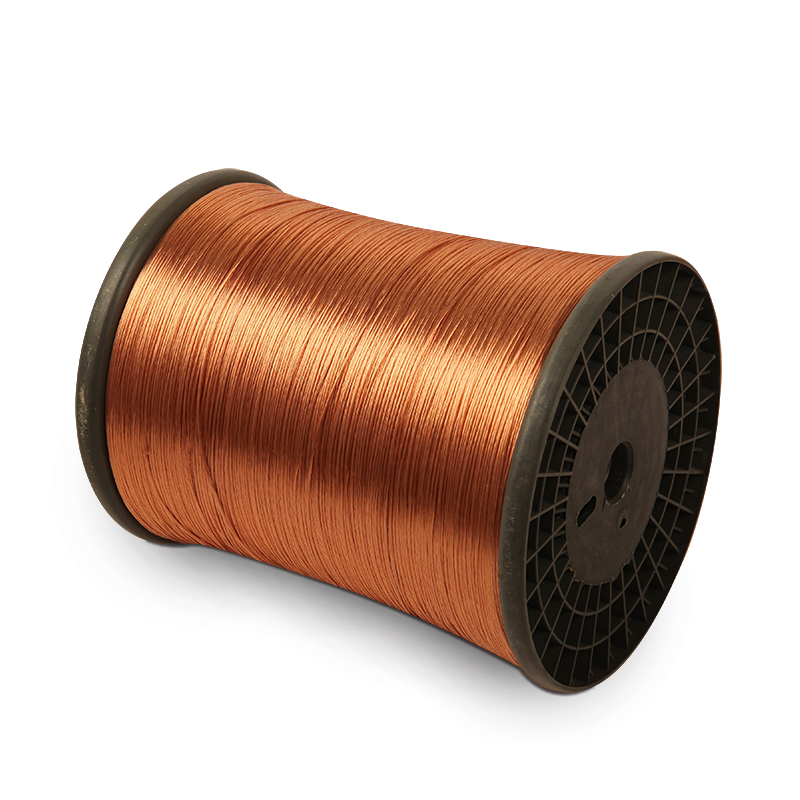
Advantages: Litz wire is constructed by twisting individually insulated thin wires in specific patterns, which significantly reduces AC losses in high-frequency applications due to its ability to mitigate skin and proximity effects. This leads to increased efficiency, lower operating temperatures, reduced footprint, substantial weight reduction, and avoidance of "hot spots" in transformers and inductors . Disadvantages:The manufacturing process of Litz wire can be complex and labor-intensive, leading to higher costs compared to solid wires. Additionally, the effectiveness of Litz wire begins to drop off above 3 MHz, and the packing factor or copper density can be affected by the enamel layer and inherent air gaps from twisting round wires together . Application Fields:Litz wire is widely used in various applications that require high-frequency operation and efficiency, such as stator windings, power transformers, motor generators, hybrid transportation, renewable energy systems, communication equipment, and medical devices. It is also utilized in induction heating applications, sonar equipment, and radio transmitter equipment, among others .
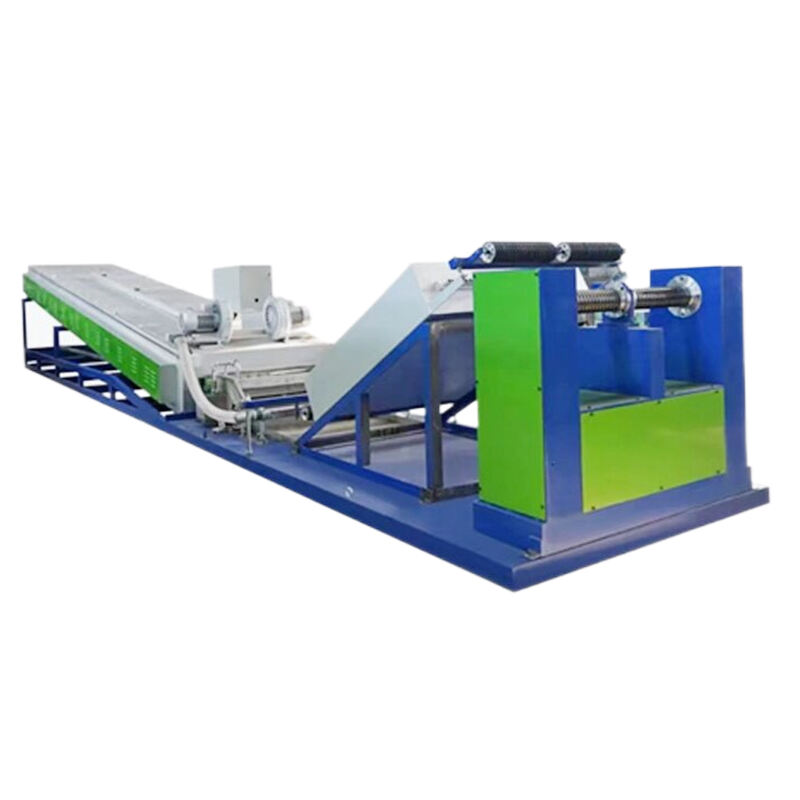
This system is designed to reduce the hardness of the wire by heating it to a specific temperature and then cooling it gradually, enhancing the ductility and flexibility of the wire, which is essential for further processing and manufacturing of wire...
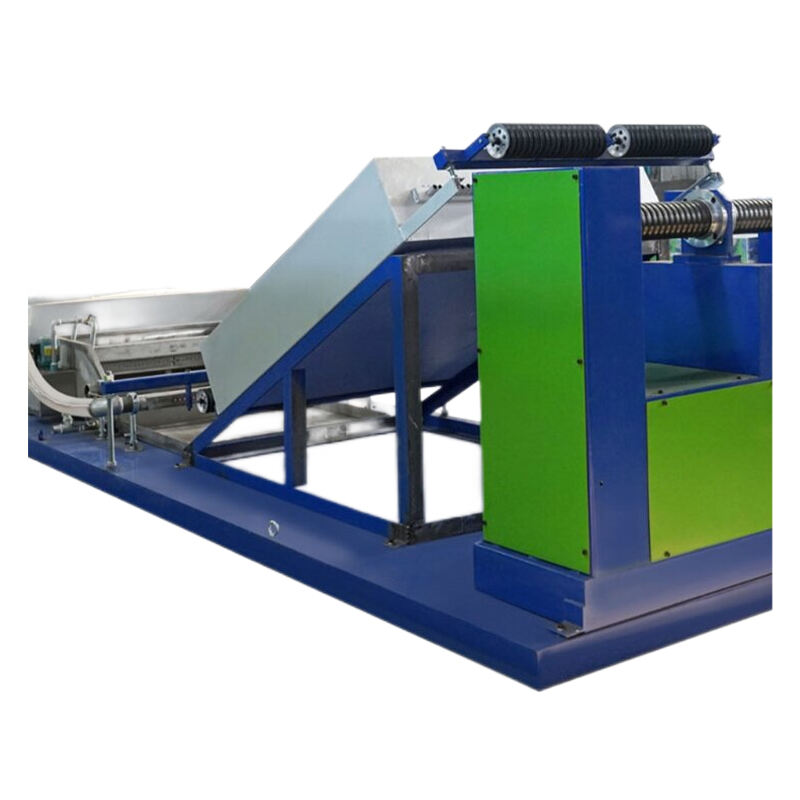
The drying system removes moisture and other volatile substances from the wire surface, ensuring a clean and dry surface for subsequent coating processes, which is critical for the quality and adhesion of the insulation layer .
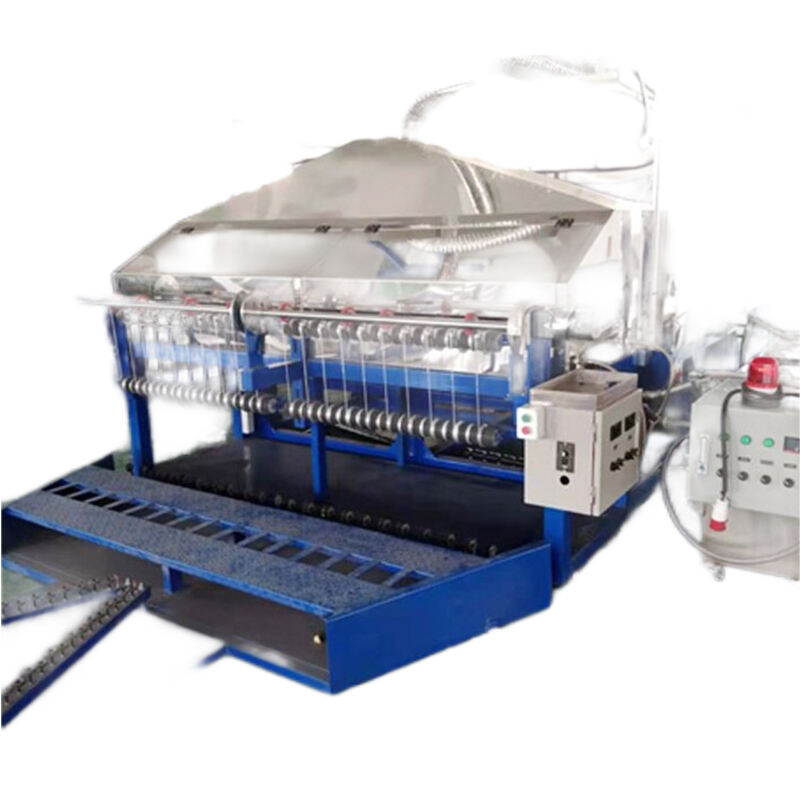
Applies a layer of insulating paint to the wire, providing electrical insulation and protection against environmental factors such as moisture and chemicals, thereby enhancing the wire's performance and service life .
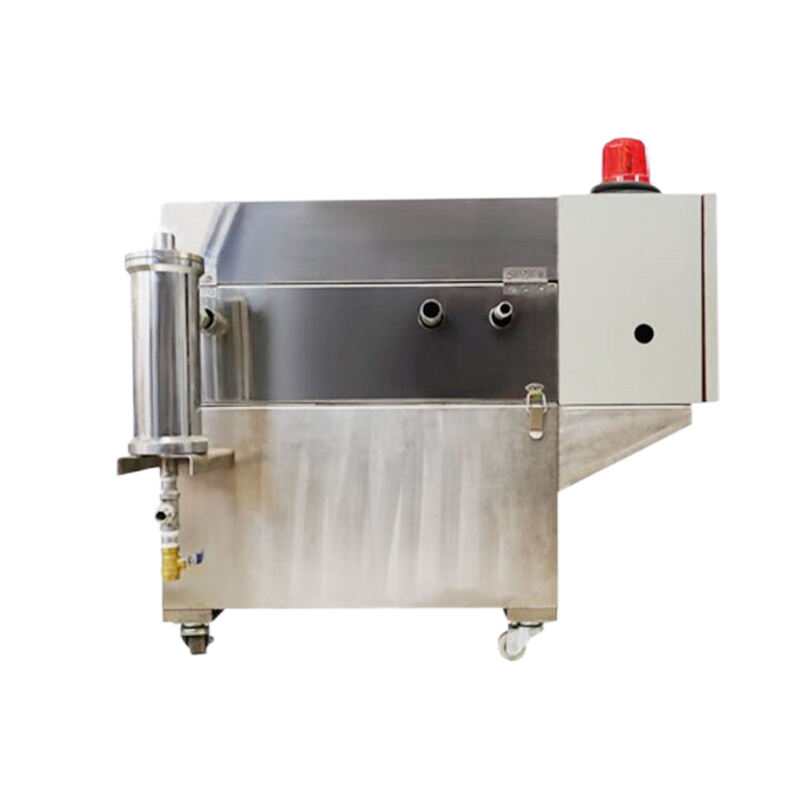
This system is used for additional coatings or finishing touches on the wire, which may include color coding, marking, or applying specific performance-enhancing properties to the wire .
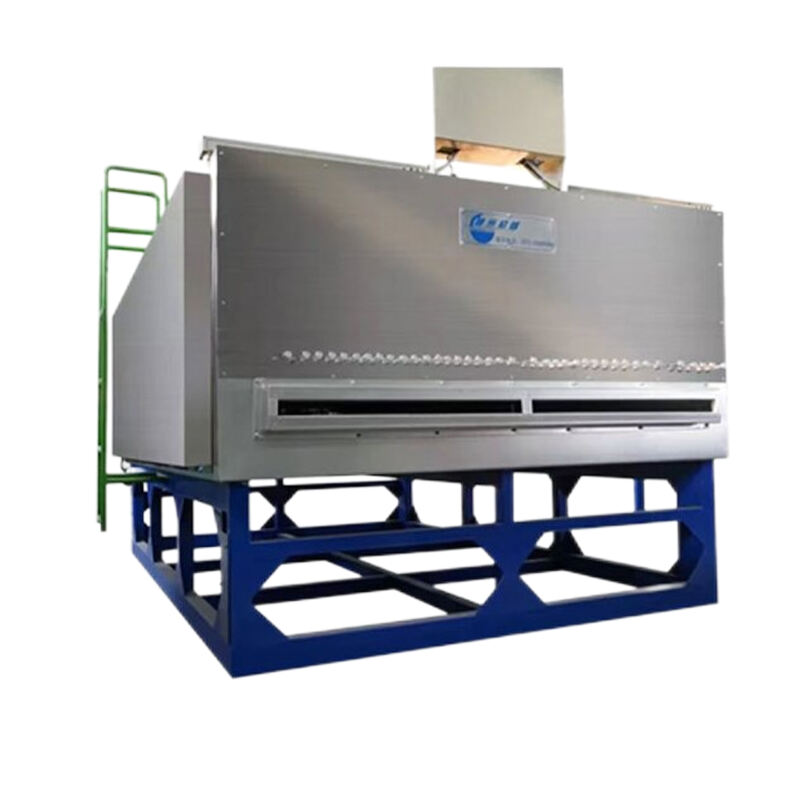
The paint baking oven is used to cure the insulating paint on the wire through a controlled heating process, ensuring the paint's hardness, durability, and adherence to the wire surface .

Copyright © Yichun Shenyue Electrical Technology Co., Ltd All Rights Reserved

 EN
EN


