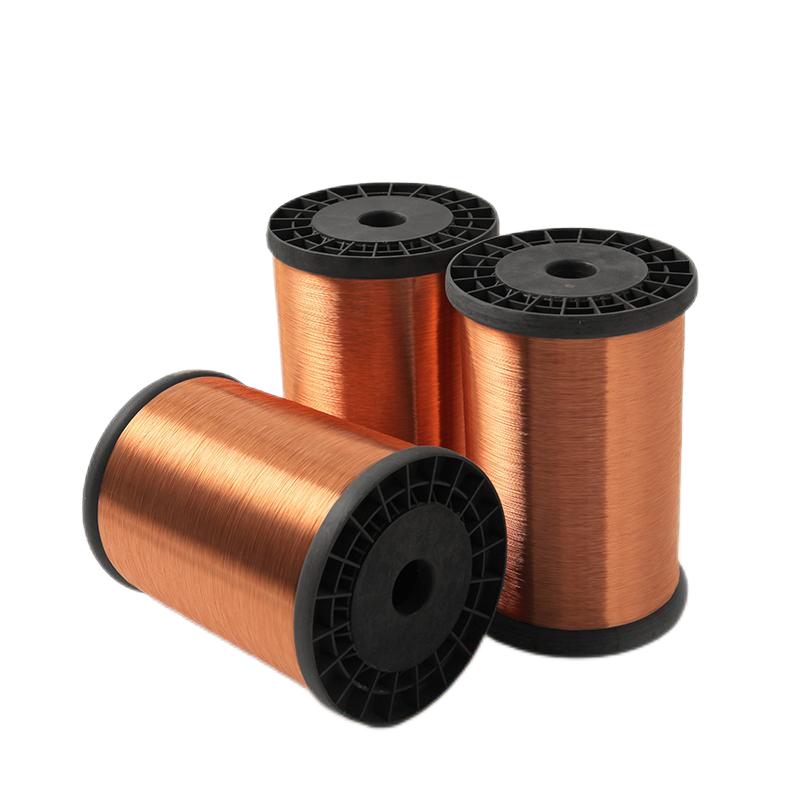
Advantages: Offers a balance of copper and aluminum properties, combining copper's conductivity with aluminum's light weight, enhancing electrical performance and reducing costs . Disadvantages: May have a higher cost compared to pure copper wires an...
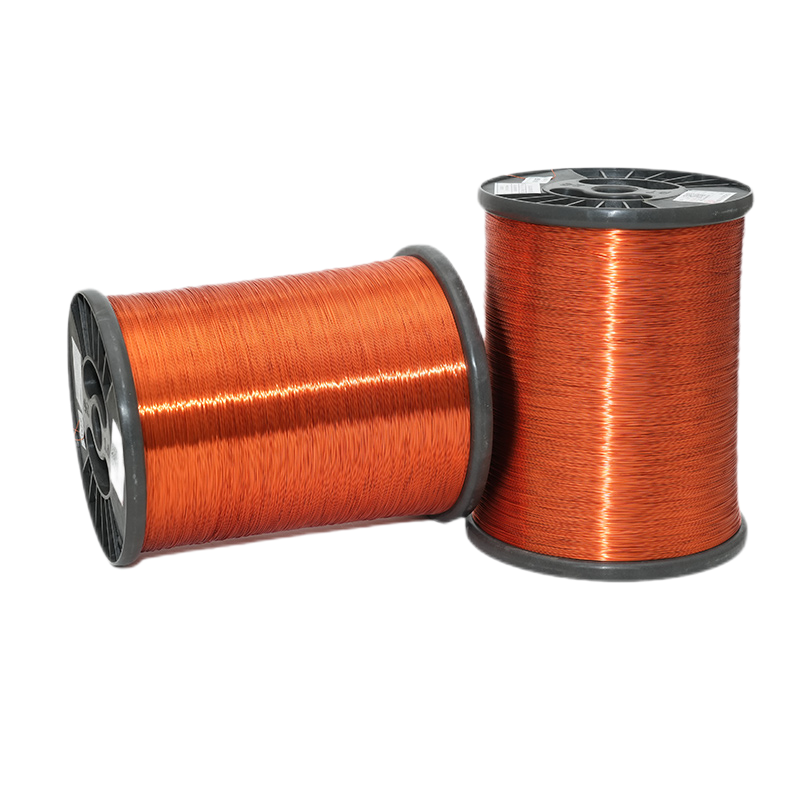
Advantages: High electrical conductivity, corrosion resistance, and excellent thermal stability. Disadvantages: Can be more expensive than other types of wires due to its high conductivity and may be heavier. Application Fields: Widely used in transf...
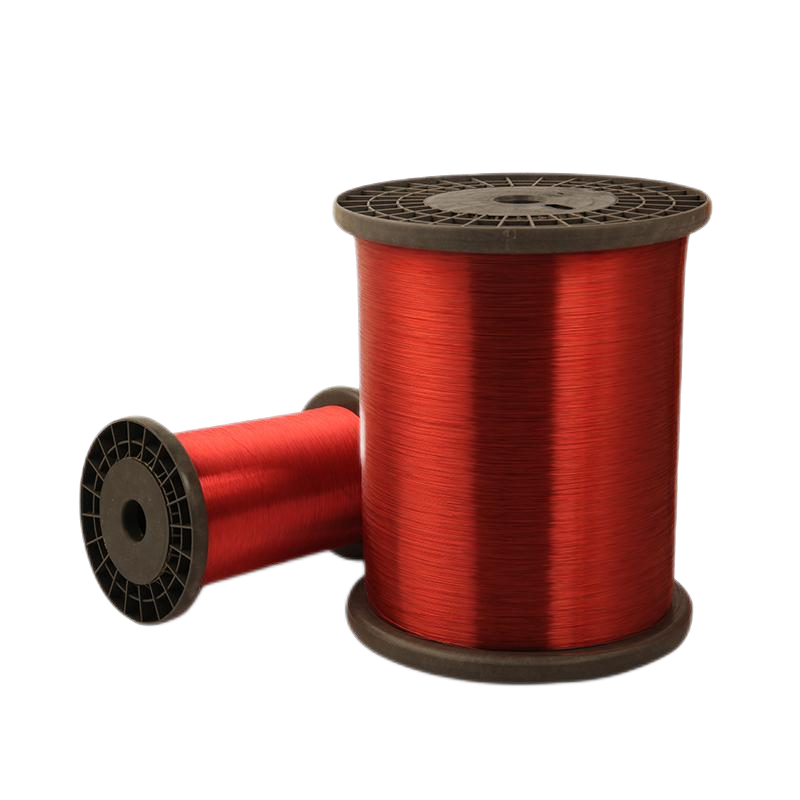
Advantages: Lightweight, cost-effective, and offers good electrical conductivity with less weight compared to copper. Disadvantages: More susceptible to corrosion and may require additional protective measures. Application Fields: Used in electrical ...
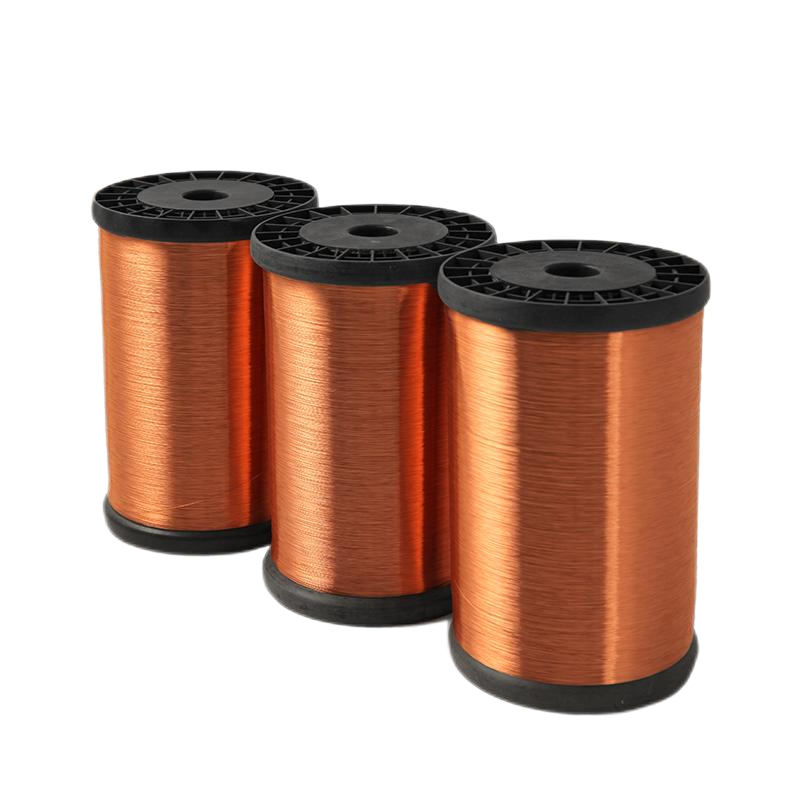
Advantages: Known for its excellent mechanical properties, abrasion resistance, and flexibility. Disadvantages: Can be more expensive to produce and may have limited chemical resistance compared to other materials. Application Fields: Commonly used i...

Advantages: Offers good electrical insulation properties, thermal stability, and resistance to solvents and oils. Disadvantages: May have lower mechanical strength compared to other enameled wires. Application Fields: Used in transformers, inductors,...
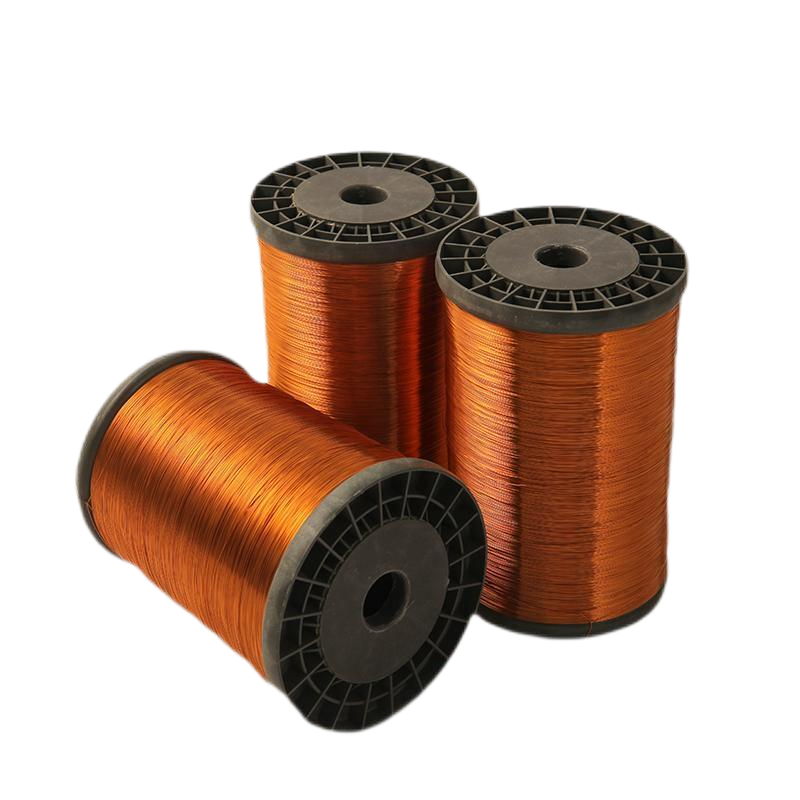
Advantages: Exhibits excellent thermal stability, high-temperature resistance, and superior mechanical properties. Disadvantages: Can be more difficult to process due to its high-temperature resistance and may be more expensive. Application Fields: I...
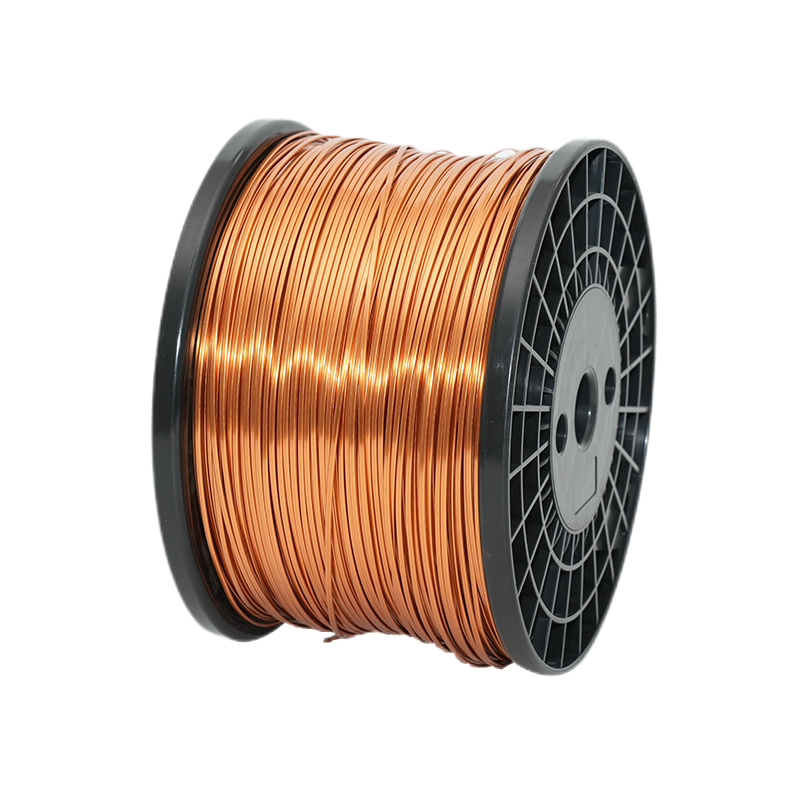
Advantages: Known for its superior electrical conductivity and excellent thermal stability. It provides high performance in electrical applications due to copper's inherent properties. Disadvantages: Can be more expensive than other types of wires du...
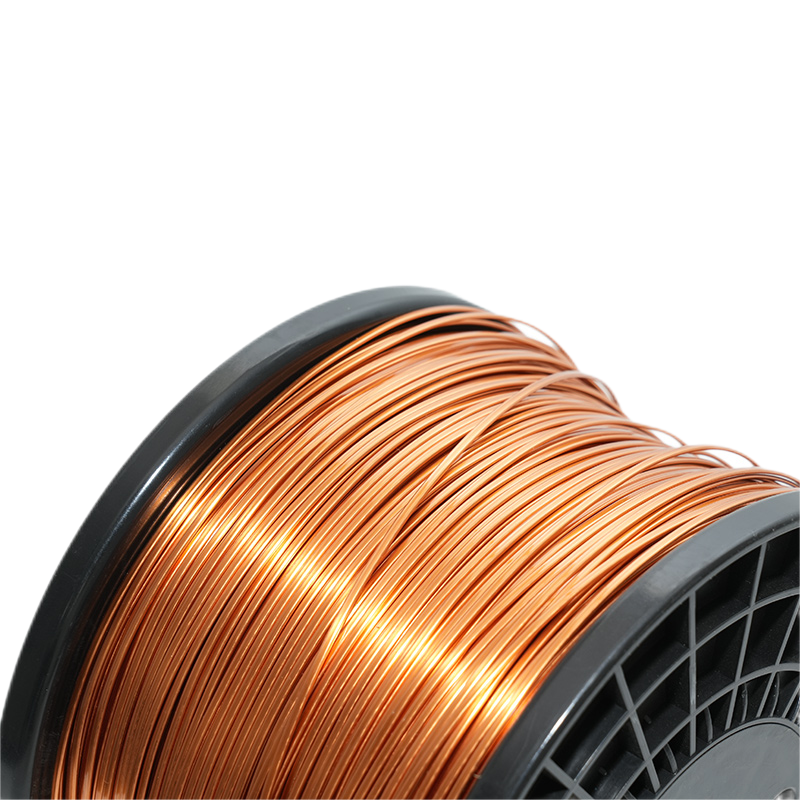
Advantages: Offers a good balance of cost-effectiveness and electrical conductivity. It is lighter in weight compared to copper, which can be advantageous in certain applications. Disadvantages: Prone to corrosion and has lower conductivity than copp...
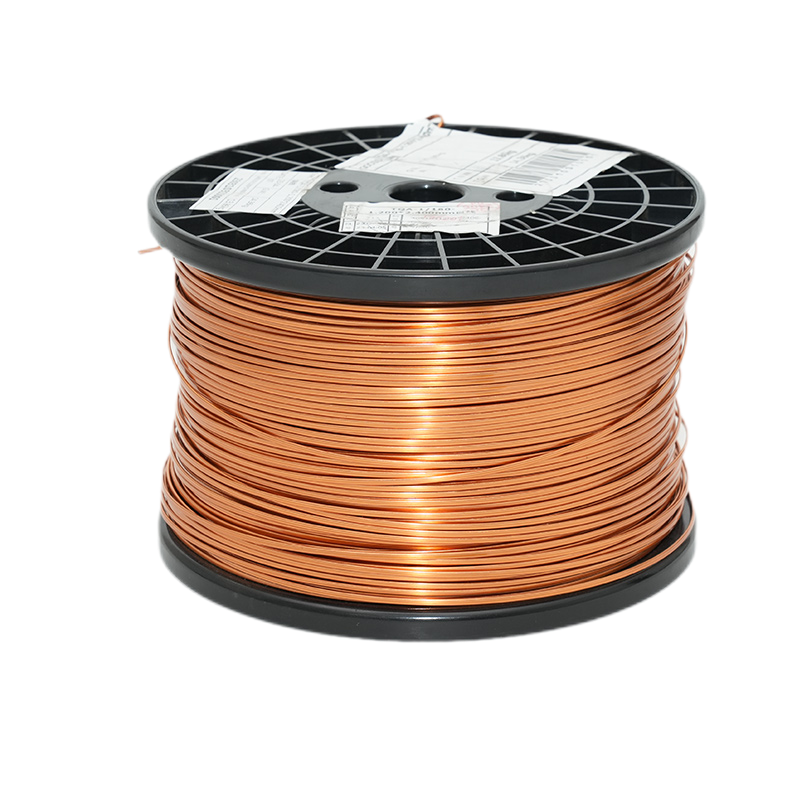
Advantages: Combines the conductivity of copper with the strength and light weight of aluminum. It offers a cost-effective solution with improved corrosion resistance over aluminum. Disadvantages: May have a higher cost compared to pure copper or alu...
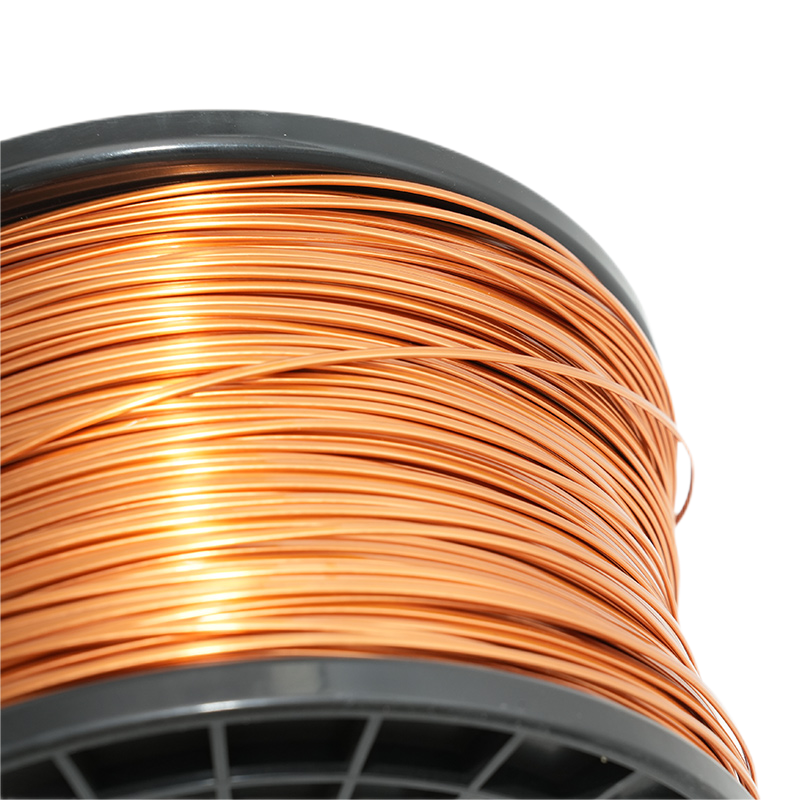
Advantages: Exhibits high electrical and thermal conductivity, making it ideal for demanding applications that require efficient power transmission. Disadvantages: The cost and weight of copper can limit its application where budget or weight constra...
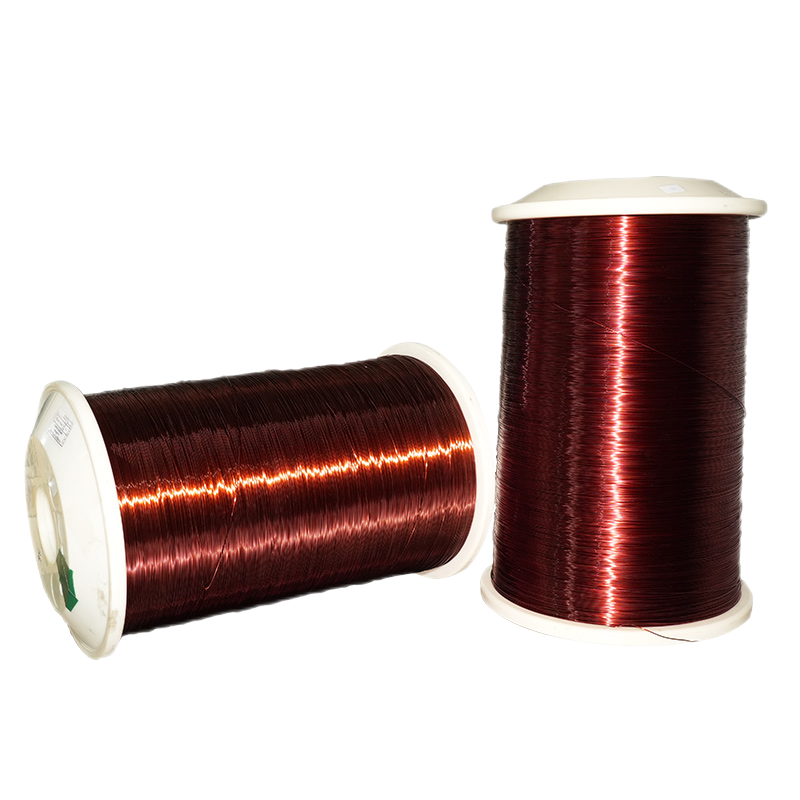
Advantages: Hot-melt self-bonding wire offers a streamlined process as it bonds during the winding phase without the need for a separate bonding process. This can be cost-effective and is primarily used for wire diameters below 0.200 mm . Application...
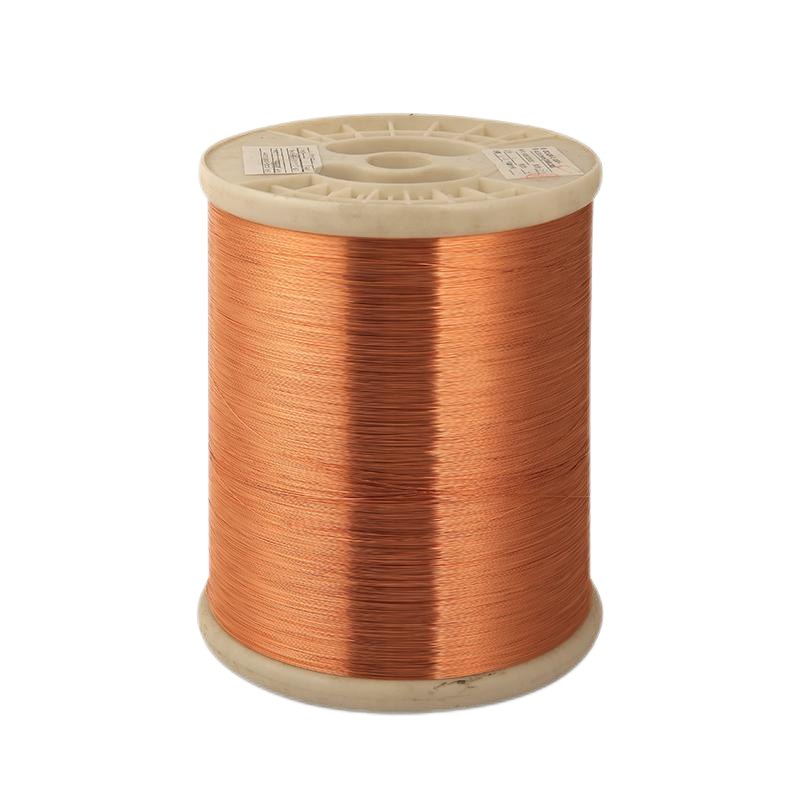
Advantages: This type of wire is characterized by a solvent-activated bonding layer that offers higher heat resistance than the hot-melt variety. It is well-suited for applications requiring voice coils and cup motors, and it is bonded using methyl a...

Copyright © Yichun Shenyue Electrical Technology Co., Ltd All Rights Reserved

 EN
EN


