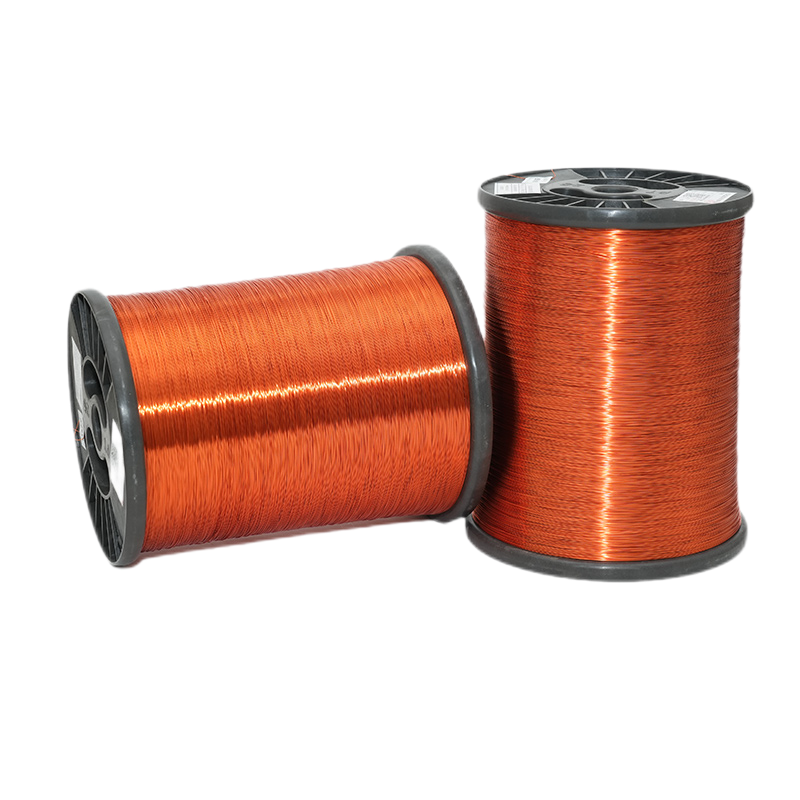
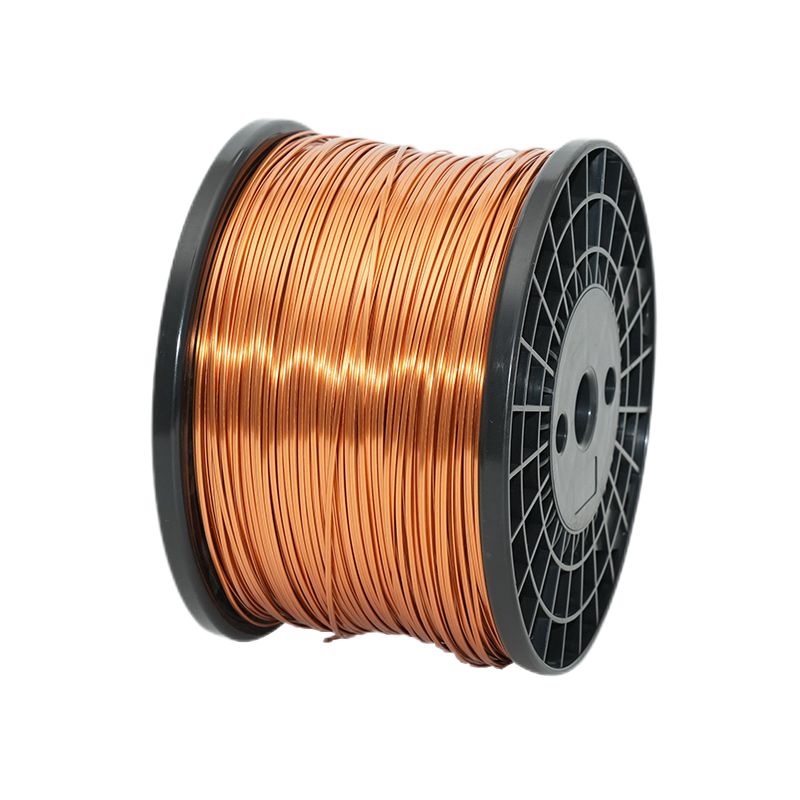
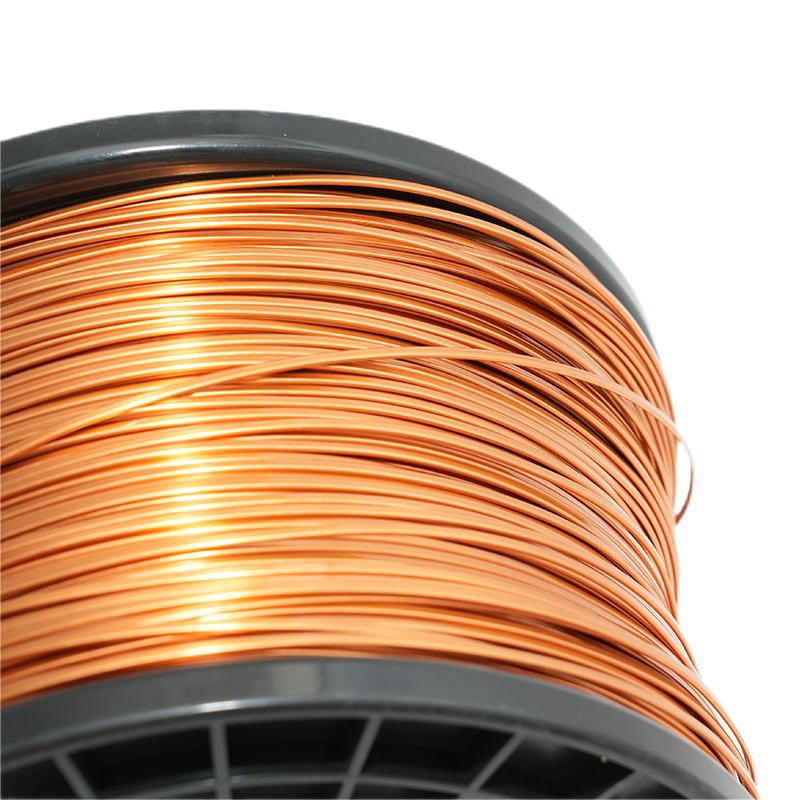
Copper is a metalloid with a very long history of use by humans. It has several unique properties that make it helpful for various purposes. Copper is used to make electromagnets, which are very strong magnets. It turns out you can use copper wire to make these powerful electromagnets. Shenzhou Cable produces high-end copper wire that is ideal for constructing these magnets. Then we will understand that what is copper wire and why is it used in electromagnets. And we will discuss how copper wire improves the function of electromagnets, how to select the wire for your project, and how to get the most power out of it.
Unlike regular permanent magnets, electromagnets are magnets whose magnetic fields can be turned on and off. These are produced by passing electricity through a coil of copper wire. As the electricity flows through the wire, a magnetic field forms, a force that cannot be seen but can pull or push on magnetic objects. This magnetic field can be really useful for various uses like machines and speakers. Copper is an excellent conductor of electricity, which makes it a great choice for electromagnet production. This makes copper a fantastic electrical conductor allowing for very simple generation of the magnetic field we require. Plus, copper wire has flexibility and can be bent into coils in different sizes and forms, which is also important to different projects.
In short, the specification of electromagnet working very well relies on few essential parameters. That strength is dependent on a couple of things, the first of which is the strength of the magnetic field it produces. A second factor is what that wire is carrying, namely as much electricity, or current, as is flowing through it. Wire thickness, also referred to as the diameter, is a major contributing factor in how powerful the electromagnet will be. Thicker wire = more electricity transfer capability. What this allows it to do is produce a stronger magnetic field. But thicker wire is more difficult to work with as well. This may not be realistic for every project, especially when you need to tuck the wire into a tight space or you need your shapes to be accurate. So when you're making your electromagnet, these are some things to consider.
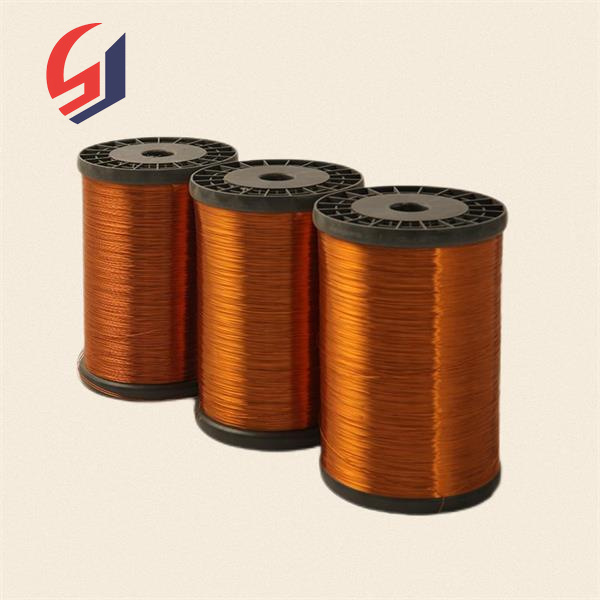
Selecting the right copper wire for your electromagnet project is extremely covalent. This measure is contingent on a few factors. First, you need to estimate the relative strengths of the magnetic field you want. A more powerful magnet takes more power, so you need a larger-gauge wire to carry that power. But, thicker wire can be tricky to work with and maybe not right for every project. Conversely, the thinner wire will be easier to work with. But be careful! Imagine just needing to create an electric motor to make your sound too, well, the wire it is too thin? The key point is that their project will succeed by getting the right balance.
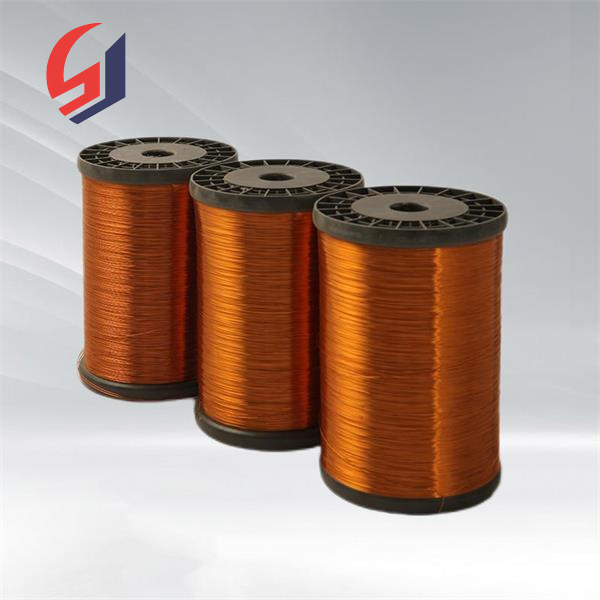
So you find the right thickness of copper wire needed for your application, as the right gauge of wire will allow the electric current and magnetic field strength to yield the best amount of power. The thicker the wire, the more electricity it can carry and therefore the stronger the magnetic field. It is important to have this in projects with a big power demand. Thicker wire is simply not appropriate for every application, so keep that in mind. Thinner wire is more manageable and can be used in tight spots, but will not necessarily be able to carry enough electricity for a strong enough magnetic field. So you need to carefully consider the wire gauge, the current you want to pass through it, and the strength of the magnetic field that you want to produce. The Right Combo will Guarantee the Most Power and Performance from your Electromagnet.
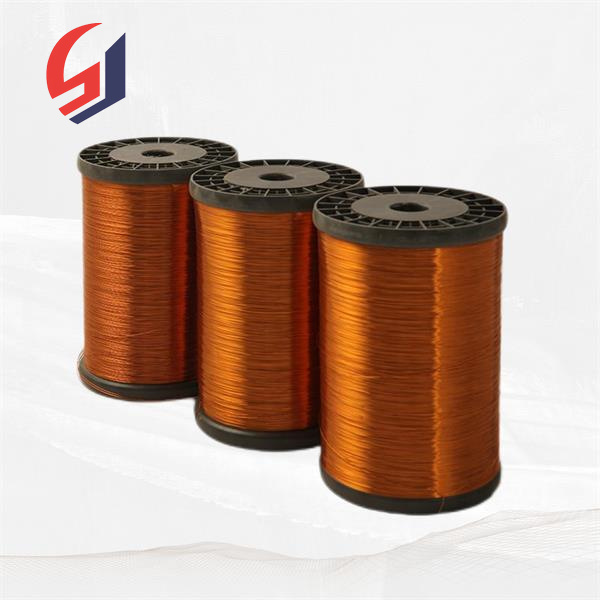
How to Optimize Your Electromagnet: The general rule of thumb for electromagnets is to optimize their performance with a balance of wire gauge, amount of current, and magnetic field strength. Thicker wire can transport greater amounts of electricity and allows a stronger magnetic field. However, that's not feasible for all applications, as we said above. Thicker wire is more difficult to work with and is used when the space is not limited. However, if it’s too thin it cannot bear enough electricity to generate a strong enough magnetic field. Because of this, you want to balance the wire thickness, the current, and the magnetic field strength to ensure that your electromagnet operates as well as possible.
The factories we use for enameled wire assure efficient distribution of products across the globe thanks to cutting-edge production technology and rigorous quality control. We collaborate with our international logistics partners to tailor logistics solutions that are tailored to the requirements of our clients. Our global delivery network is comprised of major ports to ensure that the products reach their destinations quickly and safely. Our sales staff also provides online tracking services that keep our customers informed of the status of their shipment, improving supply chain transparency.
Quality is the key component of enameled copper wire. The factory undergoes many quality control procedures to ensure the products are up to standards of international quality and meet the customer's expectations. (1) Control of raw material: from high purity copper to the highest quality of insulation varnish, the raw materials are rigorously screened to ensure stable performance. 2.) Monitoring throughout the process. From wire drawing to enameling, each step of production goes through rigorous testing such as electrical performance, insulation voltage withstand, and tensile tests, to ensure quality and safety. (3) Complete certification Quality factories generally are able to obtain ISO 9001 quality management system certification, as well as UL safety certification. SGS certification, to boost customer confidence.
Enamel copper wire factories can create high-quality products at cheaper prices due to their production capacity on a large scale. (1) Production in mass: The manufacturing facility can react quickly to the demands of large orders and at the same time ensure the timeliness of delivery. (2) Cost reduction. By optimizing the production process and equipment factories are able to reduce consumption, increase output and lower unit costs and allow customers to be more competitive in their prices.
Our enameled wire factory can customize the products according to customers' special requirements and also provide an extensive after-sales assistance. Diversified specifications: Our factory can produce enameled cables in a variety of specifications including wire diameters, thicknesses of enamel, temperature ratings, and insulation ratings.

Copyright © Yichun Shenyue Electrical Technology Co., Ltd All Rights Reserved

 EN
EN