Copper and aluminum are some of the most common and widely used electrical wire materials. These materials are significant because they assist in electrical transmission to necessary destinations. Copper and aluminum are both good conductors of electricity, meaning that electricity can flow easily through them. But there are notable differences between the two that affect how effective they are, how much they cost and how safe they would be to use. In this article, we will closely look at the pros and cons of each type of wire. This guide will help you determine which is the right fit for your next project.
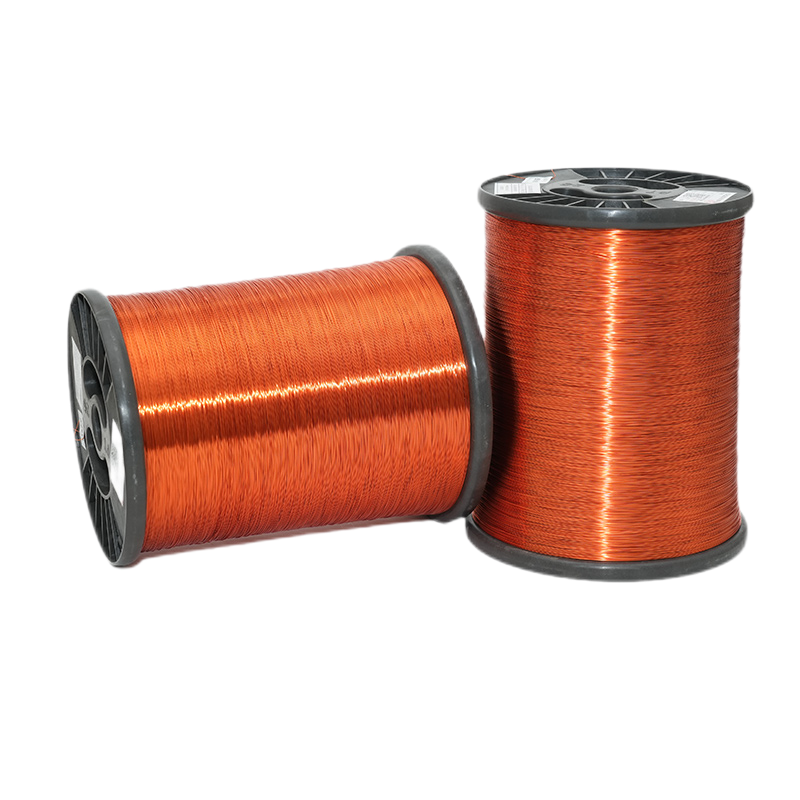
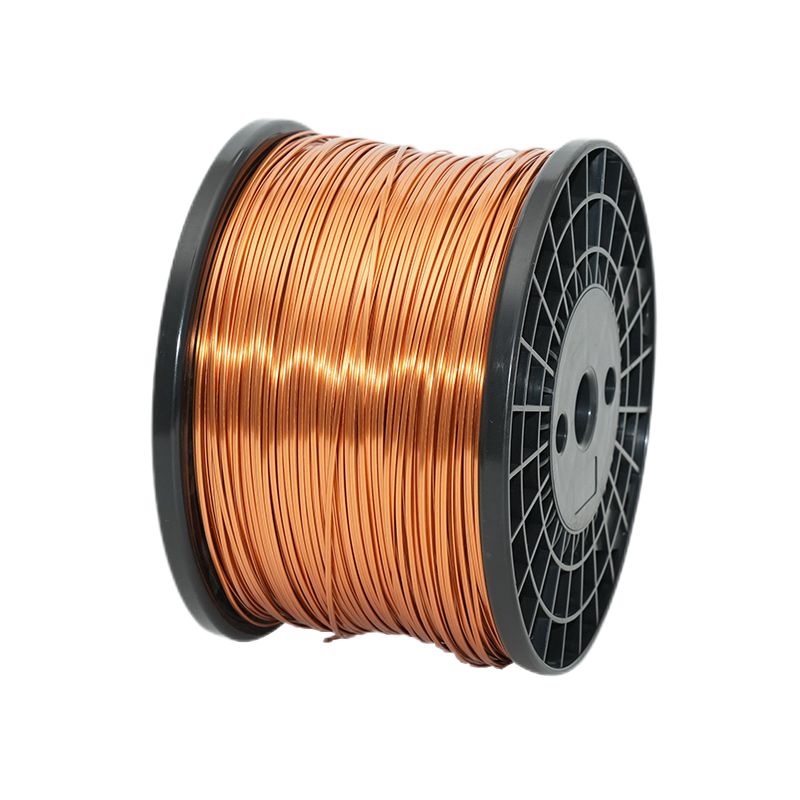
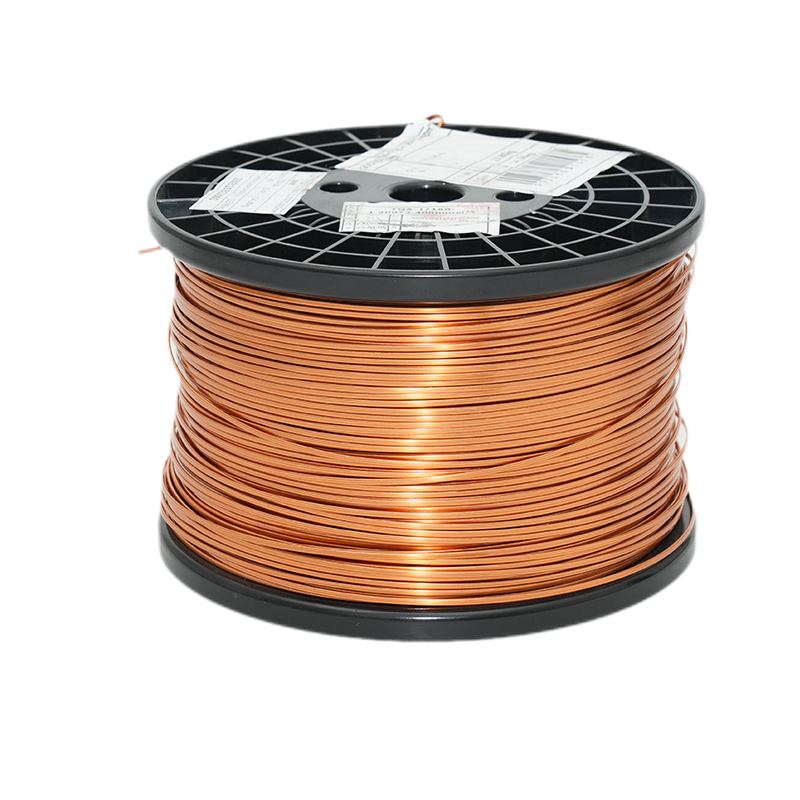
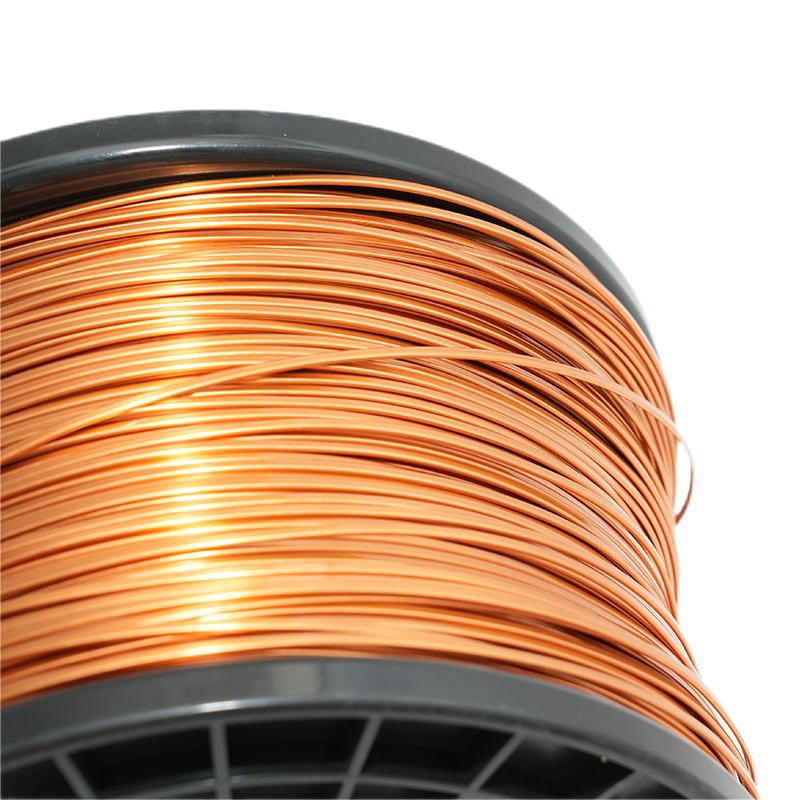
The most common type of wire used for electrical work is copper wire. The reasons that everybody use copper wire are numerous. First, it has great conductivity — it is very good at carrying electricity. This is critical so electrical appliances can operate effectively. Secondly, copper wire is very strong and durable, ensuring good longevity and strength against tough conditions. It also offers low resistance to the flow of electricity — when current moves through it, not too much energy gets lost.
But copper wire is not without its disadvantages. The biggest drawback is that it is heavier than aluminum wire. That can make it less install-friendly, especially in high places or hard-to-reach areas. Copper wire also costs more than aluminum wire. The increased price can often prevent select individuals or companies from using copper in their projects. Last, copper wire may rust with time. This means after extensive usage it can get damaged and it may not function right as it used to which eventually has an effect on its performance and durability.
Electrical conductivity also works well for aluminum wire. Because aluminum wire is often less expensive than copper, many users simply prefer it. Aluminum wire has several benefits, one of which is that it is light weight. This also makes it far easier to install than copper wire, especially for larger projects or harder to reach locations. Aluminum wire is corrosion resistant, so it does not rust as time goes by. It also has this trait that allows it to continue to perform and last.
Aluminum wire has good thermal compatibility with electrical devices, too. This makes it heat resistant and suitable for many applications. That said, there are some drawbacks to aluminum wire that should be kept in mind. A significant disadvantage of aluminum wire is that it has a higher electrical resistance. That means it can generate more heat than copper wire when electricity runs through it. So for example, if the wire gets too hot, then this can lead to safety hazards like the air of the possible fire.
In terms of costs, aluminum wire is usually the better wire option for many projects. The cost delta between copper and aluminum can be considerable when you consider the total size and length of the project. Aluminum wire can typically be cheaper than copper wire allowing you to save money on materials. However, if you need a wire that has a low resistance for your project, copper wire might be the best option. Just be sure to assess your individual needs and select the wire that suits your project requirements.
There are some crucial factors to be kept in mind when deciding whether to use copper wires or aluminum wires. So, turn your first thoughts on what are the applications you will need the wire for. It depends on the requirement of different projects. Next (why is this next): Think about the environment in which the wire will be used. Different environments may be harsher than others, and can affect how each wire type performs. Finally, your budget is a key factor in this decision. So if you want a wire that conducts electricity very well and will last for a long time, copper is possibly the better choice. But if you have to save a few bucks, aluminum might be the way to go. The lighter weight of aluminum wire makes installation easier as well, which is an important factor to consider when choosing wires for your application.
The latest production techniques and rigorous quality controls in our enameled-wire manufacturing facilities allow us to efficiently deliver our products all over the world. Through close collaboration with our logistics partners in the world we are able to create customized logistics solutions to fulfill the specific requirements of different clients. Our global delivery network includes major ports, ensuring that products reach their destinations quickly and safely. Additionally our sales representatives provide online tracking to keep customers informed of the status of their deliveries in real time, enhancing supply chain transparency and customer satisfaction.
Our enameled wire factory can customize the products according to customers' special requirements and also provide an extensive after-sales assistance. Diversified specifications: Our factory can produce enameled cables in a variety of specifications including wire diameters, thicknesses of enamel, temperature ratings, and insulation ratings.
Scale production capacity permits enameled copper wire manufacturers to supply high-quality products at a lower price. (1) Production in mass: The factory is able to respond quickly to the demand of large orders while also being able to ensure that the delivery time is on time. (2) Cost reduction: through efficient manufacturing process and optimization of equipment The factory is able to reduce waste and increase output rate so that the unit price is reduced and giving customers more competitive price.
The high-quality of enameled wire copper is of paramount importance. The manufacturing facility goes through a variety of quality checks to make sure the quality of the products is in line with standards set by international standards and satisfy customer needs. (1) Control of raw materials From pure copper, to high quality insulation lacquer, all raw materials undergo strict screening to ensure stable performance. (2) Continuous monitoring of the process: From wire drawing to enameling, each stage of production goes through rigorous testing including tensile strength along with electrical and insulation voltage withstand tests, to ensure the quality of the product. In order to increase customer confidence Quality factories are typically certified with ISO 9001 for their quality management system, as well as UL Safety certification.

Copyright © Yichun Shenyue Electrical Technology Co., Ltd All Rights Reserved

 EN
EN